
Solutions & Tech Specs
Choose the right solar system for your power needs
Three proven configurations, engineered for South Bengal's climate, tariffs and DISCOM requirements.
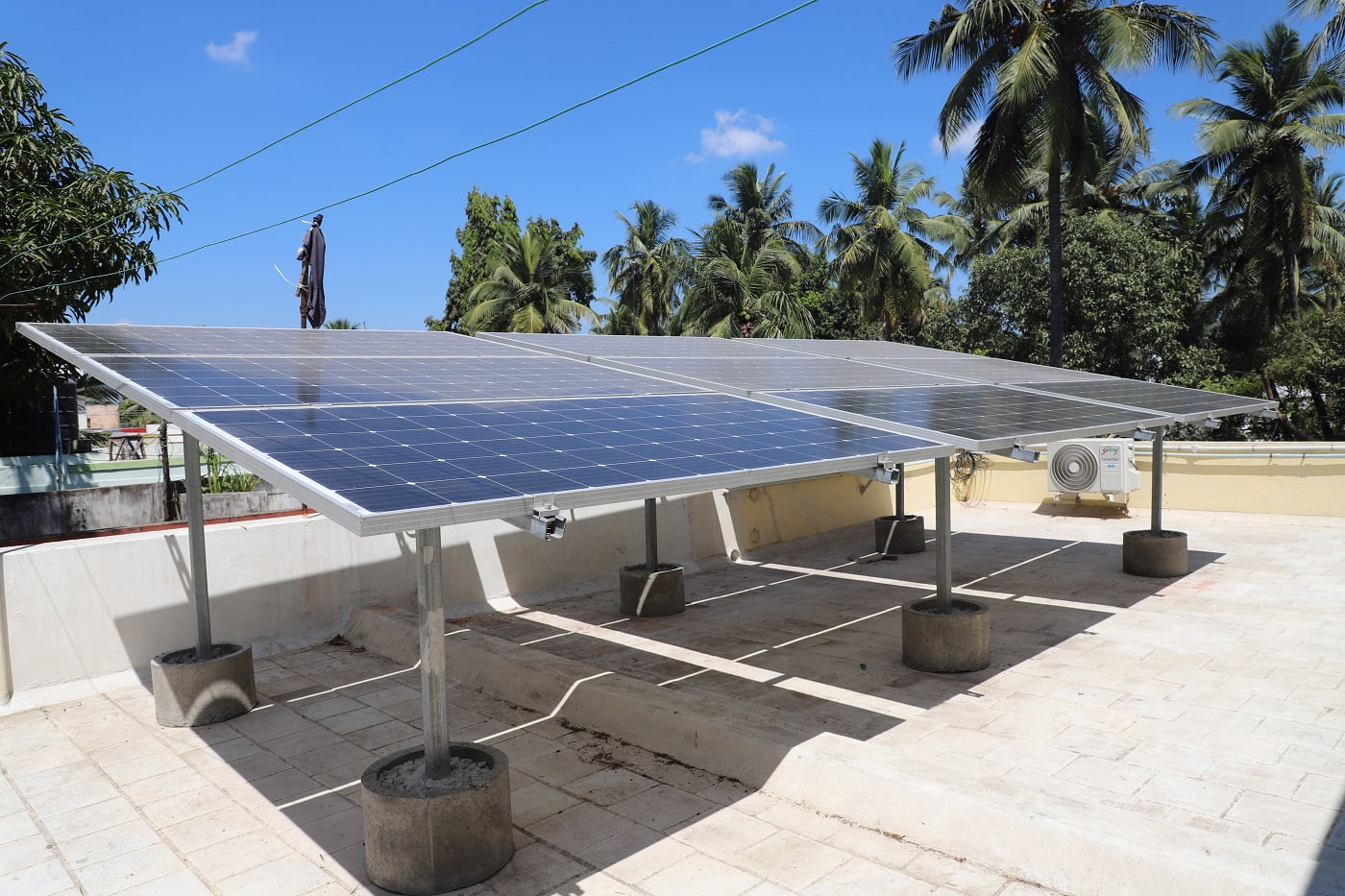
Homes, apartments & small shops
On-Grid Rooftop Solar
The most economical way to go solar. Your panels feed the home first and export surplus units to the WBSEDCL / CESC grid via a bi-directional net meter, which are credited against your bill.
- 1 kW to 10 kW typical residential range
- Tier-1 bifacial mono PERC / TOPCon panels
- String inverter with Wi-Fi monitoring
- Hot-dip galvanised mounting structure
- Eligible for PM Surya Ghar central subsidy
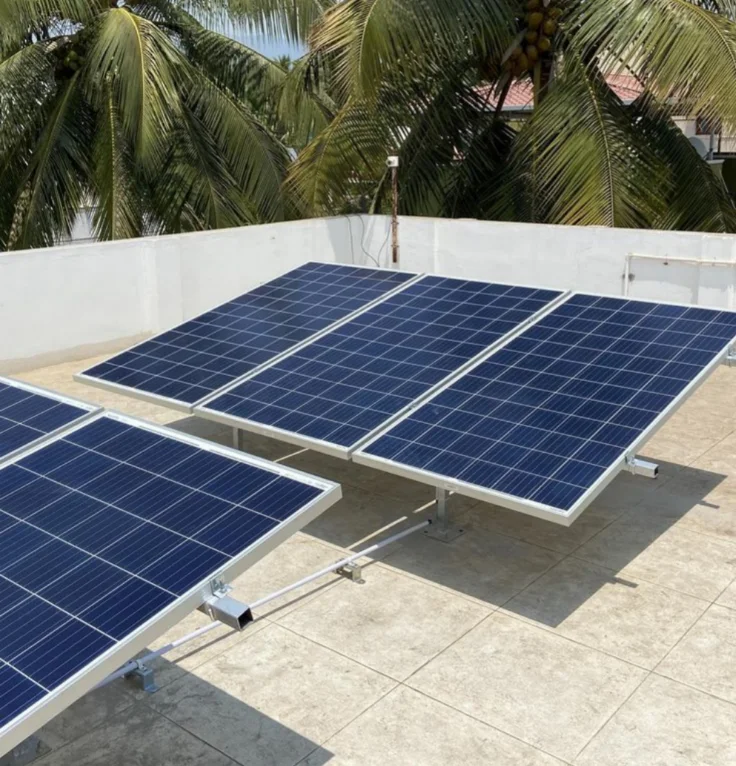
Outage-prone homes, clinics & offices
Hybrid Solar with Battery Backup
Solar, battery and grid in a single system. When the grid drops, a hybrid inverter keeps your essential loads running from stored solar energy, and it still exports under net metering.
- 3 kW to 15 kW with 5 kWh+ battery banks
- Hybrid inverter with automatic grid / battery switchover
- LiFePO4 or tubular battery options
- Critical-load panel for lights, fans, pumps & Wi-Fi
- Subsidy applies to the grid-connected solar portion
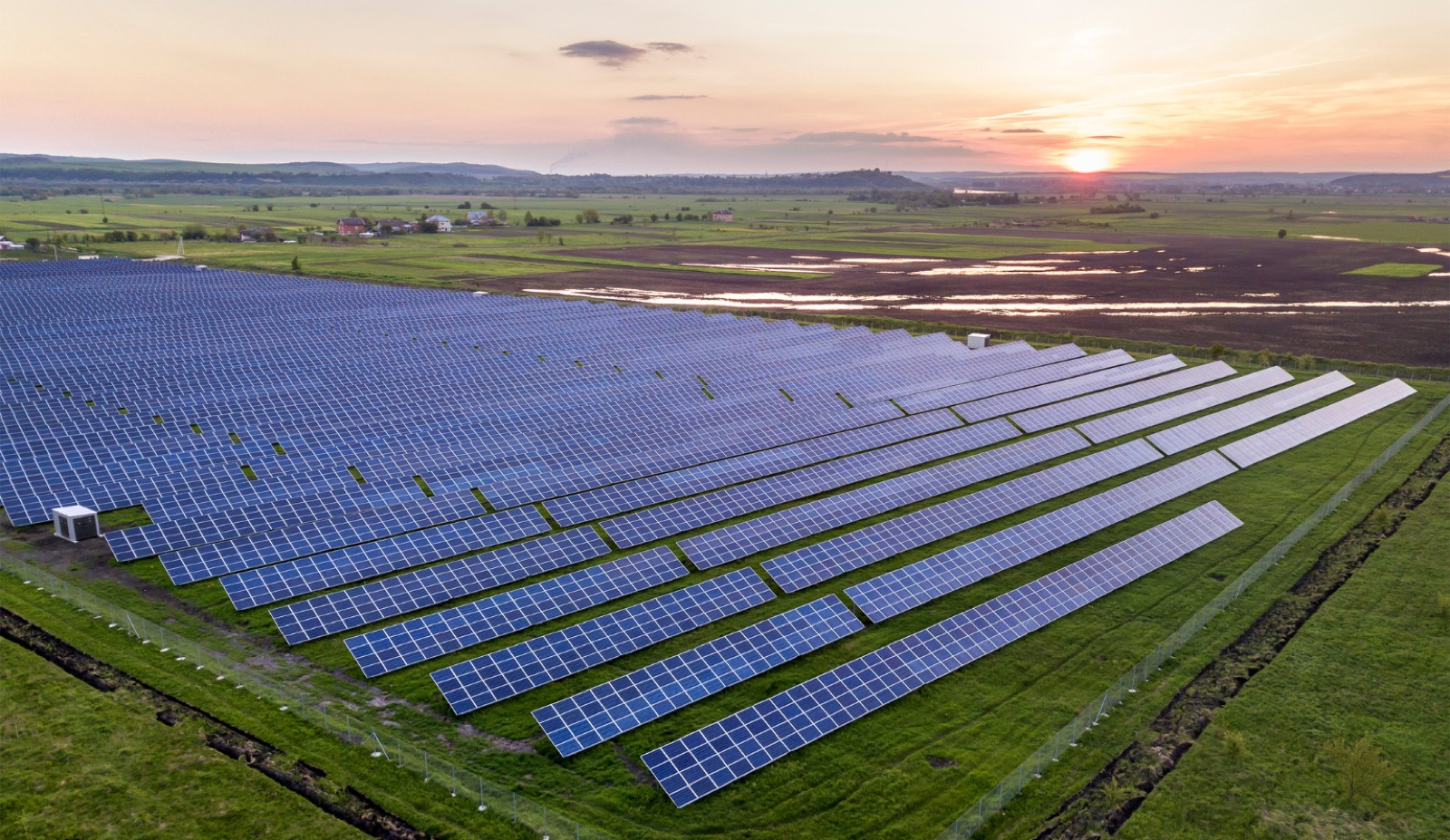
Shops, schools, hospitals & MSME factories
Commercial & Industrial Solar
Turn idle roof space into a daytime power plant. We design for shed roofs and RCC terraces, size against your sanctioned load, and handle DISCOM approvals for net metering or gross metering.
- 10 kW to 500 kW+ engineered plants
- Three-phase string / central inverters
- SCADA-style remote monitoring & alerts
- Annual maintenance contracts available
- Depreciation and tax benefits: confirm with your CA
Side-by-side
Which system fits you?
| Feature | On-Grid | Hybrid + Battery | Commercial / Industrial |
|---|---|---|---|
| Backup during power outage | No. Shuts down automatically for lineman safety (anti-islanding). | Yes. Battery powers selected loads during outages. | Generally no, unless paired with batteries or a DG sync panel. |
| Grid export / net metering | Yes. Bi-directional net meter, surplus credited to your bill. | Yes. Same net-metering route, plus battery storage. | Yes. Net or gross metering as per DISCOM rules. |
| Maintenance | Very low. Periodic panel cleaning and an annual inspection. | Low to medium. Adds battery health checks and inverter servicing. | Planned O&M with cleaning, thermography and monitoring. |
| Typical payback (indicative) | About 3 to 5 years after subsidy. | About 6 to 8 years, depending on battery size. | About 3 to 5 years, driven by daytime load. |
| Battery lifespan | Not applicable. | LiFePO4: roughly 8 to 12 years. Tubular lead-acid: about 4 to 6 years. | Not usually required. |
| Subsidy eligibility | Yes, PM Surya Ghar for residential (up to ₹78,000). | Yes for the grid-connected solar portion. Battery is not subsidised. | No central residential subsidy. Group-housing common facilities may qualify. |
| Best suited for | Homes and flats with daytime or steady consumption. | Areas with frequent outages or critical equipment. | Businesses with high daytime electricity use. |
Paybacks are indicative and depend on tariff, load profile and system cost. See our terms.
Not sure which one? We'll help you choose.
Book a free roof survey and we'll recommend the right configuration for your bill and backup needs.
Book Free Site Survey